
What is Maja Blanca? The Creamy Filipino Coconut Dessert You Need to Try
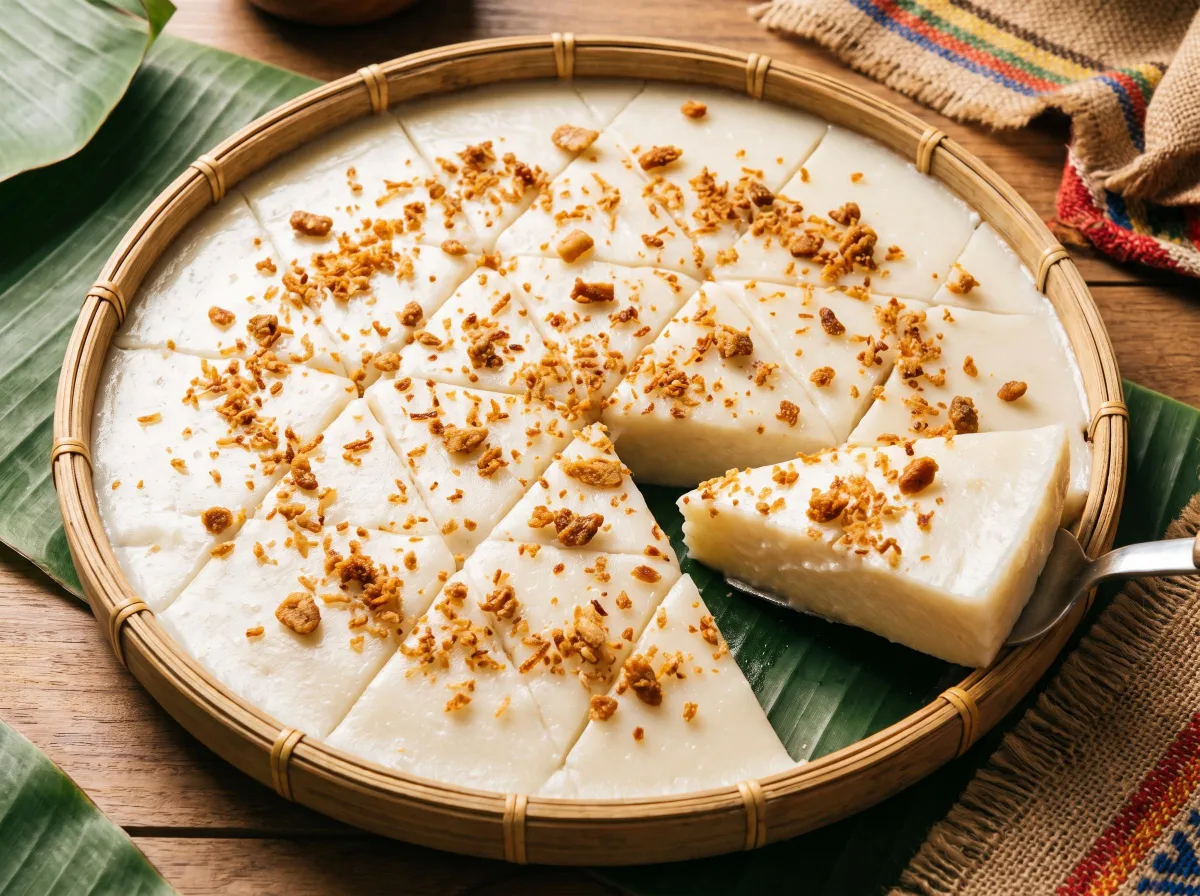
If you've ever been to a Filipino celebration—a birthday, fiesta, or holiday gathering—you've probably encountered a dessert table that looks like it could feed a small army. And sitting right there among the leche flan, bibingka, and cassava cake, you'll find a pristine white pudding with golden flecks on top, cut into neat squares or diamonds. That, my friend, is maja blanca, and it's about to become your new favorite Filipino dessert.
But here's the thing: while maja blanca might look simple (it's basically a white square, after all), there's so much more to this creamy coconut pudding than meets the eye. It's a dessert that tells the story of Filipino ingenuity, Spanish colonial influence, and the country's deep love affair with coconut. So let's dig into what makes this kakanin so special, why it shows up at every celebration, and what separates an authentic maja blanca from the shortcuts.
The Maja Blanca Story: When Spanish Meets Filipino
Before we dive into the creamy details, let's talk about that name. "Maja blanca" is pure Spanish—blanca means "white," and maja refers to a type of Spanish dessert, particularly manjar blanco, a milk-based pudding popular in Spain and Latin America. During the Spanish colonial period in the Philippines (which lasted over 300 years), Spanish desserts heavily influenced Filipino cuisine.
But here's where Filipino creativity shines. While the Spanish version typically used dairy milk and almonds, Filipinos adapted the concept using what was abundant and accessible: coconut. And not just any coconut—the rich, creamy coconut milk (locally called gata) that's been a cornerstone of Filipino cooking for centuries.
This adaptation wasn't just practical; it was transformative. The result was something distinctly Filipino, a dessert that belongs entirely to the archipelago's culinary identity. According to food historian Felice Prudente Sta. Maria in her book "The Governor-General's Kitchen," Filipino cooks during the colonial era became masters at "Filipinizing" Spanish recipes, creating hybrid dishes that used local ingredients while maintaining the structural essence of the original.
So, What Exactly IS Maja Blanca?
At its core, maja blanca is a Filipino coconut milk pudding with a smooth, dense, gelatin-like consistency. Think of it as somewhere between panna cotta and Turkish delight in texture—firm enough to cut into clean squares, but soft and creamy when you bite into it.
The base ingredients are beautifully simple:
Coconut milk (the star of the show)
Cornstarch (for that pudding-like thickness)
Sugar (for sweetness)
Corn kernels (for texture and a subtle sweetness)
The magic happens when you slowly cook these ingredients together, stirring constantly until the mixture thickens into a glossy, pourable custard. Once it sets and cools, you get that signature firm texture that holds its shape when cut.
But the real crowning glory?Latik—those golden-brown, toasted coconut curds sprinkled on top. Latik is made by simmering coconut cream until the oil separates and the milk solids caramelize into crispy, nutty bits. It adds a crucial textural contrast and depth of flavor that transforms maja blanca from good to unforgettable.
The Kakanin Family: Where Maja Blanca Belongs
To truly understand maja blanca, you need to know about kakanin—the umbrella term for Filipino rice cakes and native desserts. The word comes from kanin (rice) and the prefix "ka-," though not all kakanin actually contain rice anymore.
Kakanin represents a whole category of traditional Filipino sweets that share common characteristics:
Made with simple, local ingredients
Often coconut-based
Typically steamed or cooked slowly
Served at celebrations and gatherings
Usually cut into squares or diamonds
Other popular kakanin include puto, kutsinta, sapin-sapin, and bibingka. While maja blanca uses cornstarch instead of rice flour, it's firmly part of this dessert family because of its preparation method, presentation, and cultural role.
What makes maja blanca stand out in the kakanin lineup is itspure white colorandultra-creamy texture. While other kakanin might be chewy, sticky, or cake-like, maja blanca is uniquely smooth and pudding-like—it practically melts on your tongue.
The Great Maja Blanca Debate: Corn or No Corn?
Here's where things get interesting, and where Filipino home cooks have strong opinions: Should maja blanca have corn kernels, or should it be smooth?
This isn't just a minor preference—it's a legitimate culinary debate that divides Filipino kitchens. On one side, you have the traditionalists who insist that authentic maja blanca must include whole corn kernels. They argue that the sweet corn adds textural interest, subtle sweetness, and visual appeal. This version is sometimes specifically called "maja blanca con maiz" (maja blanca with corn).
On the other side are those who prefer their maja blancacompletely smooth—no corn, no interruptions, just pure silky coconut pudding. They contend that this cleaner version better showcases the coconut flavor and creates a more refined dessert experience.
The truth is, both versions are authentic and widely accepted in Filipino cuisine. According to the Department of Tourism's Flavors of the Philippines initiative, regional variations exist throughout the archipelago, and both styles appear at celebrations across the country.
However, if we're talking about the most traditional version, the one that appears in older Filipino cookbooks and lola's handwritten recipe cards, it typically includes corn. The corn-studded version also tends to be what you'll find at Filipino restaurants and carinderias (local eateries) in the Philippines.
That said, there's a third faction that's emerged in recent years: the maximalists. These are the cooks who add not just corn, but also cheese (usually grated cheddar or processed cheese), creating an even richer, more complex dessert. Some even add ube (purple yam) creating a purple-hued variation. While purists might balk, these innovations show how maja blanca continues to evolve.
What Makes Maja Blanca Genuinely Authentic?
If you're looking to make or find authentic maja blanca, here are the markers that separate the real deal from shortcuts:
Authentic Maja Blanca Uses:
1. Fresh Coconut Milk (Gata)
Real maja blanca uses coconut milk extracted from freshly grated coconut, not canned. In the Philippines, you can buy fresh coconut milk from markets, or make it yourself by grating coconut meat and squeezing it through cheesecloth. The first extraction produces thickkakang gata (coconut cream), while a second extraction with water produces thinner coconut milk. Both are used in authentic preparations.
2. Proper Latik Topping
Authentic maja blanca is always topped with homemade latik—those caramelized coconut curds made from coconut cream. You'll never see an authentic version with just plain grated coconut or (heaven forbid) no topping at all.
3. Slow, Constant Stirring
Making maja blanca the traditional way requires patience. You must stir constantly while cooking to prevent lumps and ensure even thickening. This can take 30-45 minutes of continuous stirring. No shortcuts, no microwave versions.
4. The Right Consistency
Authentic maja blanca should be firm enough to cut into clean pieces that hold their shape, but still creamy and slightly jiggly. It shouldn't be rubbery or overly firm like gelatin.
5. Pure White Color
Traditional maja blanca is pristinely white from the coconut milk and cornstarch. Any artificial coloring or additives are not authentic.
6. Served in a Bilao
While not strictly about flavor, authentic presentation matters. Maja blanca is traditionally served in abilao—a round, shallow bamboo tray lined with banana leaves. This isn't just aesthetic; the banana leaves impart a subtle, pleasant aroma to the dessert.
Inauthentic Shortcuts Include:
Using condensed milk or evaporated milk instead of coconut milk
Adding artificial coconut flavoring
Using instant corn cream from cans without real kernels
Topping with just coconut flakes instead of proper latik
Using agar-agar or gelatin to set it (changing the texture entirely)
Microwaving instead of slow-cooking on the stovetop
Adding excessive amounts of processed cheese (while cheese is a modern variation, going overboard loses the coconut flavor)
Why Maja Blanca Shows Up at Every Filipino Celebration
If you've been to any Filipino gathering, you know that the dessert table is serious business. And maja blanca is almost always there. But why?
It Feeds a Crowd
Maja blanca is economical and stretches far. One large bilao can serve dozens of people, making it perfect for Filipino hospitality where feeding everyone generously is paramount.
It's Make-Ahead Friendly
Unlike desserts that need to be served fresh, maja blanca actually tastes better after sitting for several hours or overnight. This makes party planning easier—one less thing to worry about on the day of the event.
It Represents Tradition
Serving maja blanca connects modern celebrations to generations past. It's a dessert that grandmothers made, that mothers learned, and that continues at every family gathering. According to Positively Filipino, food traditions like serving maja blanca help Filipino families maintain cultural identity across generations and diaspora.
It's a Neutral Crowd-Pleaser
Not everyone likes overly sweet desserts, and maja blanca offers a milder, creamier option. Its subtle coconut flavor appeals to both kids and adults.
It Pairs Well
On a dessert table alongside rich leche flan, vibrant ube halaya, and sweet bibingka, maja blanca's clean white appearance and mild flavor provide visual and taste balance.
The Cultural Significance: More Than Just Dessert
In Filipino culture, food isn't just sustenance—it's connection. And desserts like maja blanca carry meaning beyond their ingredients.
Bayanihan Spirit
Making maja blanca traditionally requires constant stirring for a long time. In Filipino culture, family members often take turns stirring—one person starts, then another takes over when their arm gets tired. This embodies the Filipino concept of bayanihan—communal unity and cooperation.
Pasalubong and Sharing
After fiestas and celebrations, it's customary to send guests home with food, calledpasalubong. Maja blanca's ability to hold its shape and travel well makes it a perfect take-home dessert, extending the celebration beyond the event itself.
Fiesta Culture
The fiesta tradition is deeply embedded in Filipino life—every town celebrates its patron saint with days of feasting and community gathering. Kakanin like maja blanca are essential to these celebrations, representing abundance and thanksgiving.
Making Maja Blanca: What to Expect
If you're inspired to try making maja blanca at home (and you should!), here's what the process looks like:
The cooking process requires your full attention—you'll stand at the stove, stirring constantly in a figure-eight motion to prevent lumps and ensure even cooking. As the mixture heats, it gradually thickens from liquid to a glossy, pourable custard. You'll know it's ready when it pulls away from the sides of the pan and has a pudding-like consistency.
The mixture is then poured into a greased bilao or baking pan, smoothed to create an even surface, and left to cool and set. This takes several hours—patience is essential.
Meanwhile, you'll make the latik by simmering coconut cream in a pan. First, it froths and bubbles. Then the water evaporates and you're left with coconut oil and milk solids. Keep cooking, stirring frequently, until those solids turn golden brown and crispy. Drain the oil (save it for cooking—it's liquid gold!), and you're left with fragrant, nutty latik.
Once the maja blanca is completely set and cool, sprinkle the latik generously on top, cut into squares or diamonds, and serve. That first bite—creamy, coconut-rich, with the nutty crunch of latik—is pure Filipino comfort.
Regional Variations Worth Knowing
While the classic version is beloved nationwide, different regions have put their own spin on maja blanca:
Maja Blanca Ube- This variation from Baguio and northern regions incorporates ube (purple yam), creating a beautiful lavender-colored dessert with an earthy, slightly nutty flavor profile.
Maja Blanca con Queso- Popular in urban areas and Filipino-American communities, this version adds generous amounts of grated cheese throughout the pudding and on top, creating a sweet-savory combination.
Mais con Yelo-Inspired Maja- Some versions include more corn and are served slightly chilled, taking inspiration from the popular mais con yelo (corn with ice) Filipino dessert drink.
Pandan-Infused Maja Blanca- Some cooks add pandan leaves during cooking for an aromatic, slightly grassy note that complements the coconut beautifully.
Where to Find Great Maja Blanca
In the Philippines:
Nearly every Filipino bakery, restaurant, and carinderia serves maja blanca, especially around celebration seasons. The best versions come from home cooks and small local bakeries that still make everything from scratch.
In the Filipino Diaspora:
Filipino restaurants and bakeries in areas with large Filipino populations (like California, Hawaii, New York, Toronto, Dubai, and London) typically offer maja blanca. Look for places that specialize in kakanin or traditional Filipino desserts.
Homemade is Best:
Honestly, the very best maja blanca comes from someone's kitchen—a lola, tita, or family friend who's been making it for decades. If you're lucky enough to receive homemade maja blanca, you've hit the jackpot.
The Health Perspective: Indulgence with Benefits
Let's be real—maja blanca is a dessert, meant for enjoyment rather than nutrition. That said, it does have some redeeming qualities compared to other sweets:
Coconut Milk Benefits:
Coconut milk contains medium-chain triglycerides (MCTs), which some studies suggest may provide quick energy and support metabolism. It's also dairy-free, making maja blanca naturally suitable for those with lactose intolerance.
Less Processed Sugar:
Traditional maja blanca uses regular white sugar, but the amount per serving is often less than Western-style cakes or pastries, since the natural sweetness of coconut and corn contribute to the overall taste.
Gluten-Free:
Made with cornstarch instead of wheat flour, maja blanca is naturally gluten-free.
That said, it's still a rich, calorie-dense dessert best enjoyed in moderation. A small square at a celebration is perfect—it's about enjoying the experience and tradition, not eating the entire bilao yourself (tempting as that might be).
Maja Blanca in Modern Filipino Cuisine
Contemporary Filipino chefs and food entrepreneurs are reimagining maja blanca in creative ways:
Maja Blanca Ice Cream- Several artisanal ice cream shops in Manila now offer maja blanca flavor, capturing the dessert's creamy coconut essence in frozen form.
Maja Blanca Cake- Some Filipino bakeries create layered cakes inspired by maja blanca, with coconut pudding layers between soft chiffon cake.
Maja Blanca Shots- Modern Filipino restaurants serve deconstructed maja blanca in shot glasses, creating an elegant, contemporary presentation.
Vegan Variations- Since traditional maja blanca is already plant-based, it's perfect for vegan adaptations, with some recipes using coconut sugar instead of white sugar for a less refined option.
These innovations show how maja blanca continues to evolve while maintaining its essential character—a testament to the dessert's versatility and enduring appeal.
Why You Should Try Maja Blanca
If you've never had maja blanca, you're missing out on one of the Philippines' most comforting desserts. It's not flashy or Instagram-trendy (though it does photograph beautifully). It won't wow you with exotic ingredients or molecular gastronomy techniques.
What maja blanca offers is something arguably more valuable: comfort, tradition, and the taste of Filipino home cooking at its finest. It's a dessert that connects you to centuries of culinary adaptation, to the Filipino genius for creating something wonderful from simple ingredients, and to the culture's deep-rooted value of sharing food with loved ones.
Whether you try it at a Filipino restaurant, make it yourself following your lola's recipe, or receive it from a friend's dessert table, you're experiencing a slice of Filipino culture—literally and figuratively.
Ready to Experience Maja Blanca?
The beauty of maja blanca is that it welcomes everyone to the table. You don't need to be Filipino to appreciate its creamy, coconut-rich deliciousness. You don't need a special occasion to make it (though it certainly elevates celebrations). And you don't need expensive or hard-to-find ingredients to create something genuinely special.
If you're in the Philippines or near a Filipino community, seek out a local bakery or restaurant and order a piece. Better yet, ask a Filipino friend if they know someone who makes it homemade—Filipino culture thrives on sharing food, and you'll likely be welcomed with open arms (and a full dessert plate).
If you're feeling adventurous, try making maja blanca yourself. There are excellent recipes online from trusted Filipino food blogs like Panlasang Pinoy and Kawaling Pinoy. Just remember: patience with the stirring, don't skip the latik, and embrace the process as much as the final product.
And if you've already tried maja blanca, consider learning to make it and sharing it with others. Food traditions survive when they're passed down and shared. Every time someone makes maja blanca, they're keeping a piece of Filipino culinary heritage alive.
The next time you see that pristine white square with golden flecks at a Filipino gathering, you'll know you're looking at more than just dessert. You're seeing history, culture, adaptation, and love—all set into creamy, coconut-rich perfection.
That's maja blanca. And now that you know its story, doesn't it taste even better?
Keep exploring Filipino food and culture with us:
👉 What Filipino Food Are You? Take the quiz →
👉 Get your FREE Filipino Coloring pages here.
🎨 Get our Filipino Food Activity Book on Amazon
📚 Read more Filipino food stories on our blog
Have you tried maja blanca? What's your take on the corn vs. no corn debate? Share your experiences in the comments below, and if you make maja blanca at home, we'd love to see your photos! Tag us with your Filipino dessert adventures—because the best food experiences are the ones we share.
Want to explore more Filipino food traditions? Check out our deep dive into taho, the beloved Filipino street food that brings comfort in a cup. And stay tuned for more explorations of the desserts, snacks, and dishes that make Filipino cuisine so special.